0
Services

How we decorate it

Three ways to put your design on a blank: DTG print, DTF print and embroidery. Here is how each one works, how it looks and feels, how it holds up and what it costs, so you can pick the right one.

See the difference

One design, three ways

Same artwork, same shirt. What changes is how it sits on the fabric, and how much color you get.

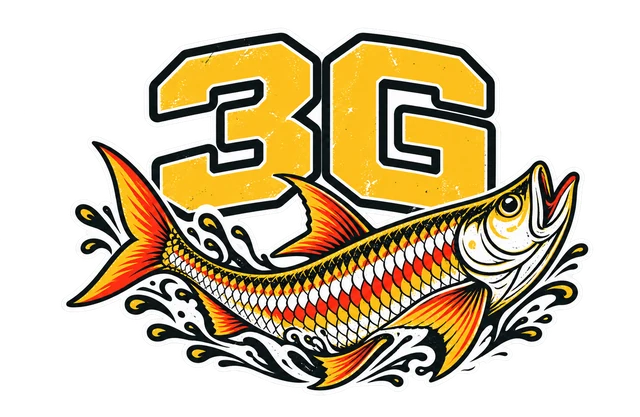
The same GGG tarpon design, dtg print
DTG printInk in the fabric. Soft, full color, slightly softer edges.
The same GGG tarpon design, dtf print
DTF printA printed film pressed on. The brightest color and the sharpest edges.
The same GGG tarpon design, embroidery
EmbroideryThread, stitched. Up to six thread colors, one in this example. Gradient embroidery does fades.

An impression of each method, drawn on screen, not a photograph. Order a sample if you want to see the real thing first.

Up close

Where the color actually goes

A cut through the fabric, magnified. This is what you feel when you put the shirt on.

ink soaks inthe fabric
DTG printInk sinks into the fibers and becomes part of the shirt. Nothing sits on top, so nothing can peel.
film on topthe fabric
DTF printA thin printed film is heat pressed onto the surface. The brightest color, a little stiff until it wears in.
thread throughthe fabric
EmbroideryThread is sewn through the fabric, over and under. Raised, heavy and the hardest to wear out.
The detail

How each one works

Direct to garment

DTG print

How it works
The shirt is pretreated, then water-based ink is jetted straight onto the fabric and cured in a dryer. Nothing sits on top of the shirt.
Look and feel
Soft and breathable. The ink soaks into the fibers, so you barely feel the print. Photos, fades and fine shading come through well.
In the wash
The print stays soft and does not crack over time. A light mark around a fresh print washes out the first time.
Best on
Cotton and cotton-rich blanks: tees, tanks, crewnecks and hoodies. 134 blanks in the studio offer it.
Limits
No white ink on a white shirt. Light inks on red or maroon shirts can look a little tinted. Big front prints are only on select blanks.
Direct to film

DTF print

How it works
The art is printed onto a clear film with water-based ink, coated with an adhesive powder, then heat pressed onto the garment.
Look and feel
Bright, crisp color with a smooth, slightly raised finish. It can feel a little stiff at first and softens after a few washes. It breathes less than DTG.
In the wash
Holds up to cold and lukewarm washes without cracking. Hot water can cause small cracks. Iron inside out, never on the print.
Best on
Almost any fabric: cotton, polyester, fleece, nylon and blends, plus hats. Our fishing and performance shirts print this way. 116 blanks offer it.
Limits
Lines and small text need some weight (at least 1 pt) or they can peel. A thin edge of the white film can show in places.
Thread, stitched in

Embroidery

How it works
Your design is turned into a stitch file, then sewn into the garment with thread. Nothing is printed.
Look and feel
Raised, textured and premium. It looks like a team logo or a uniform patch.
In the wash
There is no ink to crack or peel. Heavy stitching on a thin fabric can pull it slightly, and loose threads can snag.
Best on
Hats, hoodies, sweatshirts and left chest logos. 151 blanks offer it.
Limits
Up to 6 thread colors per design, picked from 15 thread colors. No photos, fades or gradients. Letters need to be at least 1/4 inch tall, lines at least 0.05 inch thick, and gaps at least 1/4 inch wide. Very small letters can be dropped.
Color

How many colors you get

DTG and DTF print

Any color, and any blend between them. Photos, sunsets and fades all print.

Embroidery

WhiteBlackGreyNavyAquaPurpleMaroonRedFlamingoOrangeGoldOld goldKiwiKellyRoyal

Fifteen thread colors, and up to six of them in one design. No fades, no photos. We pick the closest match to your art and show you before we stitch.

Detail

How small it can go

DTG and DTF print

GULF COAST BAIT AND TACKLE CO. EST. 2026

Fine lines and small type hold, down to about a tenth of an inch of line.
Embroidery

GULF COAST

Letters need to be at least a quarter inch tall and lines a twentieth of an inch thick, so small type gets bigger or gets dropped.
Fabric

What each one sticks to

DTGDTFEmb
CottonYesYesYes
Cotton blendsYesYesYes
PolyesterNoYesYes
FleeceNoYesYes
NylonNoYesYes
HatsNoYesYes

Our fishing and performance shirts are polyester, so they print with DTF.

Side by side

DTG vs DTF vs embroidery

DTG print, DTF print and embroidery side by side
FeatureDTG printDTF printEmbroidery
Photos and fadesYesYesNo
Fine detail and small textGoodYesLimited
Number of colorsUnlimitedUnlimited6 threads, or any with gradient
FeelSoft, in the fabricSmooth film, softensRaised thread
BreathesYesLessYes, around the stitching
WashSoft, no crackingCold or lukewarm, no hot waterNo ink to crack
FabricsCotton and blendsCotton, polyester, fleece, nylonMost fabrics and hats
White ink on whiteNoYesWhite thread is fine
Big front and backSelect blanksSelect blanksNo
PriceBase priceBase priceBase price plus $3 per stitched spot
Price

What each one costs

$3Embroidery adds this per stitched spot, on top of the blank price.
$4 to $8Each extra print spot after the first adds this per piece, depending on the blank.
$0Print method does not change the price between DTG and DTF. The blank sets the base price.

The studio shows the exact price per piece as you build, with the method and every print spot included.

Pick this when

Simple advice

  1. 01

    Pick DTG print when

    You want a soft, breathable cotton tee or hoodie with a full-color design, a photo or a fade.

  2. 02

    Pick DTF print when

    The blank is polyester or a blend (fishing and performance shirts), you want punchy color and sharp small details, or you are printing on a hat.

  3. 03

    Pick embroidery when

    It is a logo, a name or a boat name on a hat, a hoodie or a left chest, and you want it to look premium and last for years.

  4. 04

    Not sure?

    Build it in the studio and pick a method in the order panel. We check every order before it prints and email you if a design needs a change.

    Ask us
Oversized prints

Why some blanks have Big front and some do not

Big front and Big back use a larger print area (up to 15 by 18 inches on a tee). Our print partner offers it on select DTG and DTF blanks, not every shirt, so the studio only shows it where it can really be printed. Right now 54 blanks have it.

On some blanks the big area is only for the larger sizes. Smaller sizes on those blanks get the same art scaled down to fit their print area, so nothing is cropped. The studio tells you when that applies. If a blank you like does not have a Big front, the regular front print still covers the chest and stomach.
Questions

More on the FAQ page.

What is the difference between DTG, DTF and embroidery?

DTG prints full-color art into the fabric and works best on cotton. DTF presses a printed film onto the fabric and works on polyester, blends and hats too. Embroidery stitches your design with thread and is best for hats, hoodies and chest logos, and it costs a little more. Compare all three.

Can I print on the fishing shirts?

Yes. Our performance shirt is a lightweight polyester tee printed with DTF, which bonds to synthetic fabric. More fishing and sun shirts are on the way.

What file should I upload?

A PNG or JPG, ideally 3000 pixels or larger, with a clear background for logos. Smaller files still work but print softer.

Start designingCart